The Pomodoro Technique with Visual Timers: Boost Your Focus by 40%
Master the Pomodoro Technique using visual timers for maximum productivity. Learn the science-backed method that helps millions focus better and achieve more.
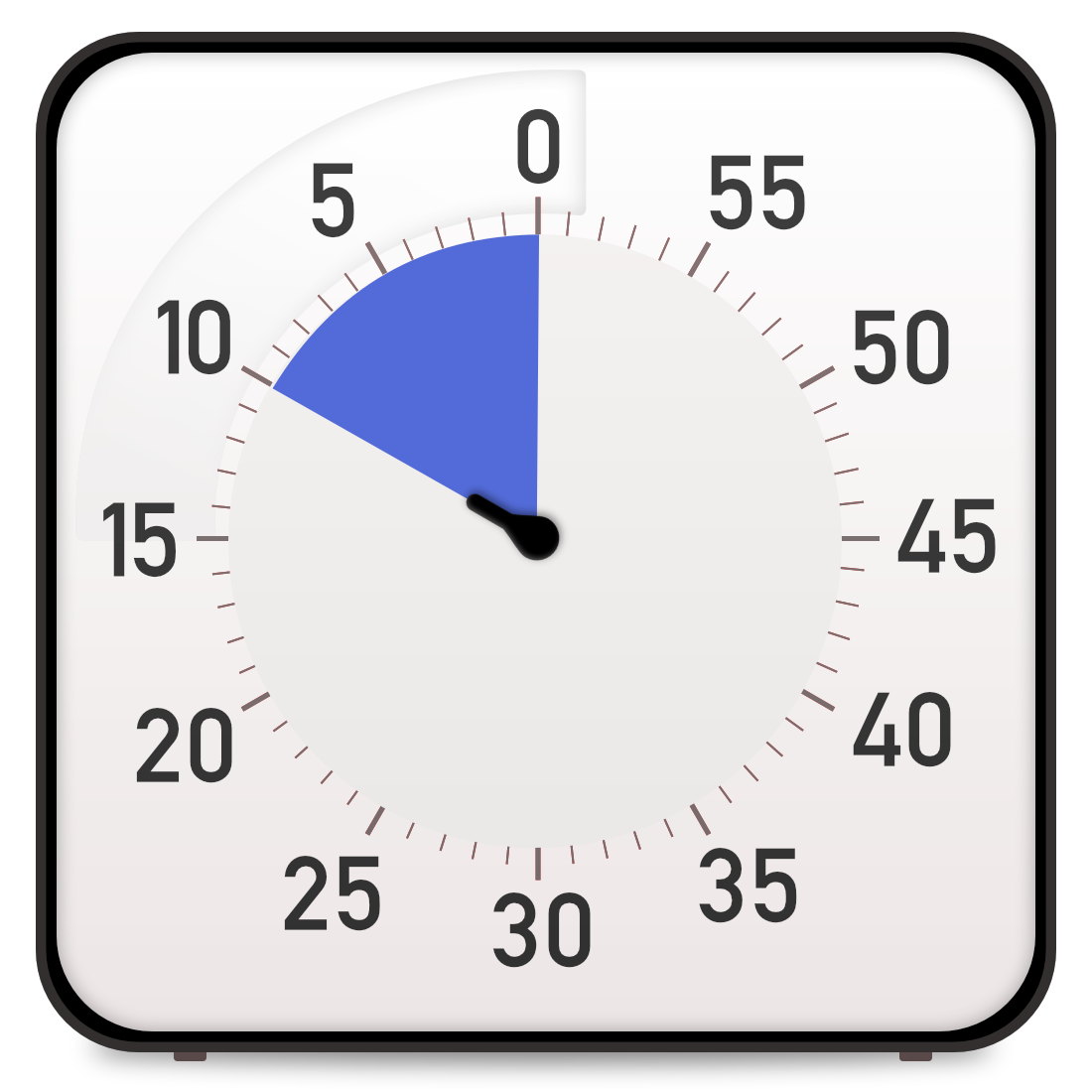
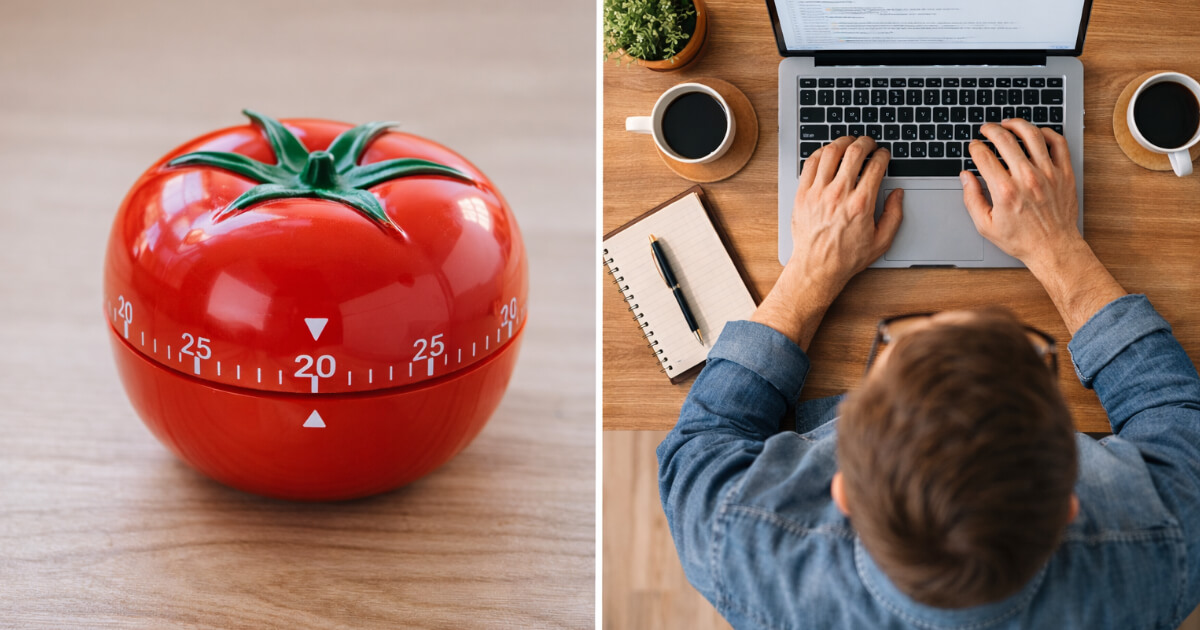
The Pomodoro Technique has revolutionized productivity for millions of people worldwide since Francesco Cirillo developed it in the late 1980s. This deceptively simple time management method involves working in focused 25-minute intervals called 'pomodoros,' separated by short breaks. While the concept sounds straightforward, the magic lies in how these structured intervals work with your brain's natural attention span and energy rhythms. When combined with visual timers, the Pomodoro Technique becomes even more powerful. Studies show that users experience up to 40% improvement in focus and task completion rates compared to unstructured work sessions. The visual countdown provides constant feedback without disrupting concentration, making it easier to maintain focus until the break arrives.
The Science Behind Pomodoro
The Pomodoro Technique works because it aligns with fundamental principles of cognitive psychology and neuroscience. Research on attention span shows that focused concentration naturally begins to decline after 20-25 minutes of sustained effort. The original Pomodoro length of 25 minutes hits the sweet spot - long enough to achieve deep work, but short enough to maintain high-quality focus throughout. The mandatory breaks prevent mental fatigue and allow your brain to consolidate learning and processing. During these breaks, the default mode network activates, which is crucial for creativity and problem-solving. Visual timers enhance this process by reducing cognitive load. Instead of mentally tracking time or repeatedly checking a clock, your brain can trust the visual countdown to provide time awareness. This frees up mental resources for the actual task at hand. The visible timer also provides psychological reassurance - knowing you can see the endpoint makes it easier to resist distractions and stay engaged. When your brain knows a break is coming soon and can literally see how close it is, resistance to continuing work decreases significantly.
Setting Up Your Pomodoro System
Successful Pomodoro practice starts with proper setup. Choose a visual timer that displays the full countdown clearly - you should be able to glance at it and immediately know how much time remains without squinting or calculating. Position the timer within your peripheral vision so you can check it without breaking focus from your main task. Before starting, identify your specific task and commit to working on only that task during the pomodoro. Vague goals like 'work on project' are less effective than specific objectives like 'write introduction section' or 'review 10 client emails.' Gather everything you need before starting the timer - water, documents, tools - to prevent interruptions once the pomodoro begins. Create a distraction log next to your workspace where you can quickly jot down random thoughts or tasks that pop up during the session. This lets you capture the idea without derailing your focus. Finally, tell colleagues or family members that you are doing a pomodoro and will be available when the timer goes off. This external accountability helps maintain the boundary of uninterrupted focus time.
The Classic Pomodoro Schedule
The traditional Pomodoro Technique follows a specific rhythm: work for 25 minutes, take a 5-minute break, and repeat. After completing four pomodoros (about 2 hours of focused work), take a longer 15-30 minute break. This pattern creates a sustainable work rhythm that prevents burnout while maximizing productive time. During the 25-minute work intervals, focus exclusively on your predetermined task. If an interruption occurs, you have two choices: postpone it until the break (write it on your distraction log) or abandon the pomodoro and start fresh. The 5-minute breaks are crucial - use them to completely step away from the work. Stand up, stretch, get water, look out a window, or do light movement. Avoid activities that require significant mental engagement like checking email or social media, as these prevent your brain from getting the cognitive rest it needs. The longer breaks after four pomodoros allow for more substantial rest - take a walk, eat a snack, meditate, or engage in light conversation. This extended break helps consolidate learning and prevents the afternoon productivity slump. With a visual timer, you can clearly see when to start work, when your break is coming, and when it is time to resume focus.
Customizing Pomodoro for Your Work Style
While the classic 25/5 pattern works well for many people, the Pomodoro Technique is remarkably adaptable. Some tasks require deeper concentration and benefit from longer intervals - try 50-minute work sessions with 10-minute breaks if 25 minutes feels too short for getting into flow state. Creative work often needs extended time to develop momentum, making 40-minute pomodoros ideal. Conversely, if you are new to focused work or dealing with particularly challenging tasks, start with 15-minute intervals to build your concentration stamina gradually. The beauty of using a visual timer is that you can easily experiment with different durations to find what works best for different types of work. Administrative tasks might work well with 20-minute pomodoros, while deep analytical work might need 45 minutes. Pay attention to your energy levels throughout the day - you might use longer pomodoros during your peak focus hours and shorter ones when energy is lower. The visual countdown adapts to whatever duration you choose, providing the same clear time awareness regardless of interval length. Track your productivity across different time intervals to discover your optimal rhythm.
Common Pomodoro Challenges and Solutions
The most common challenge is getting interrupted mid-pomodoro. When urgent interruptions occur, handle them and then start a completely fresh pomodoro - do not try to resume with whatever time was remaining. This maintains the integrity of the technique and prevents mental accounting of partial sessions. Another challenge is reaching flow state just as the timer goes off. While it is tempting to ignore the break, consistently doing so defeats the purpose and leads to burnout. Trust the system: take the break, and you will return refreshed and often with new insights. Some people struggle with the rigidity of set time intervals. Remember that Pomodoro is a tool, not a rule - if you are in deep flow during important work, finishing the thought before breaking is acceptable. However, be honest about whether you are truly in flow or just avoiding a break. Difficulty estimating how many pomodoros a task will require improves with practice. Start by tracking actual pomodoros needed for common tasks, and you will develop better estimation skills. Visual timers help immensely with this challenge because you can clearly see the pattern of work emerging. If you consistently need more time than estimated, adjust your planning rather than abandoning the technique.
Conclusion
The Pomodoro Technique paired with visual timers creates a productivity powerhouse that respects both your brain's need for focus and its need for rest. By breaking work into manageable intervals with visible endpoints, you reduce the psychological resistance to starting tasks while preventing the burnout that comes from marathon work sessions. The 40% improvement in focus and task completion is not magic - it is simply your brain working the way it was designed to work, with clear boundaries and regular recovery. Whether you stick with the classic 25/5 pattern or customize the intervals to match your work style, the visual timer ensures you always know where you stand in your focus session. Start with just one or two pomodoros per day using Focus Clock or another visual timer, and gradually build up your focused work capacity. The results speak for themselves: more work completed, less stress, and the satisfaction of knowing exactly what you accomplished each day.
Try Focus Clock
Ready to improve your time management with visual timers? Focus Clock is a free online visual timer that helps you stay focused and productive.
Start Using Focus Clock